


Choosing a Bridal Makeup Artist in Singapore
A bridal makeup artist Singapore couples can rely on does far more than create a pretty look. They protect the way you feel at 7am, the way your skin reads in daylight, and the confidence you carry when every eye and camera turns towards you. Your wedding beauty should not feel like a mask or a gamble. It should feel like you, refined with intention.
Singapore weddings bring their own demands: humidity, long travel between venues, flash photography, emotional hugs, outdoor solemnisation ceremonies and late-night celebrations. That is why bridal makeup is its own discipline. The right artist understands skin, structure, timing and the quiet art of making polished beauty last without making it look heavy.
What Sets a Bridal Makeup Artist in Singapore Apart
A wedding look has to work harder than event makeup. It needs to hold through tears, heat and close-up photography while looking convincing in person. A foundation that appears flawless under studio lighting may look flat in natural daylight. A dramatic eye that photographs beautifully may feel too severe when you are standing face-to-face with family during the tea ceremony.
An experienced bridal artist balances these competing needs. They build coverage in light, controlled layers, set strategically rather than powdering every inch of the face, and place colour where it brings life rather than where a social media trend says it should sit. The result is skin that looks alive, features that remain recognisable, and makeup that stays composed from preparation through to the final dance.
It starts with skin, not a heavy base
The best bridal makeup begins with preparation tailored to your skin condition on the day. Dehydrated skin needs a different approach from oily or textured skin. A highly luminous primer can be beautiful for a dry complexion but may not be the best choice for a humid outdoor wedding. The goal is not to apply more product. It is to apply the right products in the right order.
Top-notch professional products matter, but technique matters just as much. A skilled artist knows when to use a sheer complexion product, when to add targeted concealer, and where a soft-focus finish will give the camera a smoother result. This is how makeup remains elegant at arm's length rather than becoming obvious in close-up photographs.
Camera-ready does not mean overdone
Many brides worry that natural makeup will disappear in photographs. Others worry that full glam will make them look unlike themselves. Both concerns are valid, and the answer sits in the details.
A camera-ready bridal look needs considered definition: a softly shaped brow, lashes that open the eyes, controlled contour and blush placed to lift the complexion. These elements can be subtle. The aim is not to chase a particular label such as “clean girl” or “soft glam”. It is to create proportion that suits your face, dress, hairstyle and wedding atmosphere.
Choose the Look That Belongs to You
Bring inspiration images to your consultation, but look at them critically. Ask yourself whether you are drawn to the makeup itself or to the model's bone structure, lighting and styling. A look that is perfect for a beach ceremony may not complement a formal ballroom gown. Equally, a traditional red outfit can carry rich lips and defined eyes beautifully, while a modern ivory dress might call for softer tonal layers.
Your everyday makeup habits are valuable information. If you never wear eyeliner, a sharp graphic wing may feel distracting all day. If lipstick is your signature, a well-chosen red, berry or warm rose could be the element that makes the entire bridal look feel true to you. There is no prize for looking dramatically different on your wedding day.
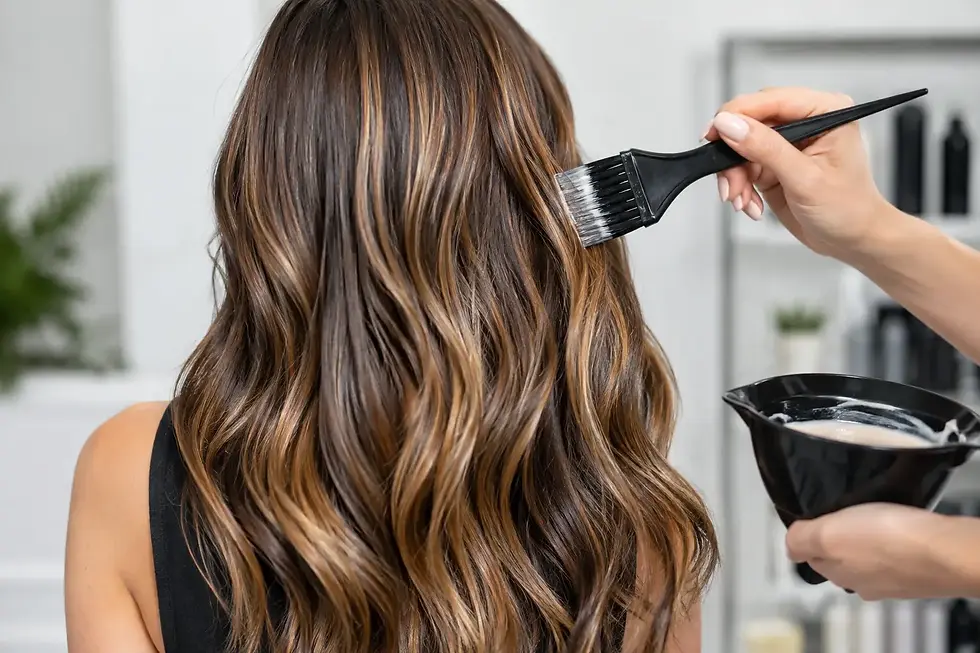
Hair should be considered at the same time, not treated as an afterthought. A sleek low bun reveals the face and neckline, making statement earrings and defined makeup more prominent. Loose waves create movement and softness but need enough structure to survive Singapore's heat. The strongest bridal styling comes from seeing the complete picture early.
Why a Bridal Trial Is Worth the Time
A bridal trial is not merely a rehearsal for photographs. It is where you test comfort, communication and trust. You should leave knowing how your chosen base feels after several hours, whether your lashes are comfortable, how the makeup behaves around your smile lines, and whether your artist understands your preferences.
Come to the trial with a clear idea of your dress neckline, ceremony timing, venue style and hair accessories. If you have sensitive skin, eczema, active breakouts or products that have caused reactions before, say so before the appointment. A professional can adjust the product plan and advise where preparation from your skincare professional may be sensible.
Take photographs in window light as well as indoor light. Smile, turn your head and look at the makeup from normal conversation distance. The goal is not perfection under one mirror bulb. It is confidence across the conditions you will actually experience.
Questions That Reveal Professionalism
Rather than only asking to see a portfolio, ask how the artist plans for your day. Their answers should be specific, calm and realistic. Discuss how they manage humid weather, how much time they allow for each person, whether they provide touch-up guidance, and what happens if your schedule changes.
You should also ask whether they can work with your preferred level of coverage and whether they have experience with skin texture, mature skin or deeper complexions where relevant. A thoughtful artist will not promise that every pore vanishes. They will explain how they can create a refined finish while respecting real skin.
Hygiene deserves direct attention. Brushes should be properly sanitised, cream products handled carefully, and disposable items used where appropriate. Bridal beauty is intimate work. Clean practice is not an optional extra, particularly when an artist is working around the eyes and lips.
Build a Wedding Morning With Breathing Room
Even immaculate makeup suffers when the schedule is rushed. Your artist should have enough time to work without racing, and you should have enough time to eat, get dressed and take photographs without being pulled in five directions.
Plan the preparation order around the people who need to leave first, then build a buffer before photography. Wear a button-up shirt or robe so your finished hair and makeup are not disturbed while changing. Keep a small touch-up kit with blotting papers, lip colour and tissues close to a bridesmaid or trusted friend.
A useful rule is to avoid experimenting in the final week. Do not introduce a new facial, aggressive exfoliant or unfamiliar skincare active just before the wedding. Skin can react unpredictably, even to products that look harmless on the shelf. Prioritise hydration, sleep where possible, and a routine your complexion already understands.
Bespoke Beauty in a Private Suite
For brides who value discretion, a private appointment can change the entire preparation experience. Instead of a loud salon floor and a revolving stream of people, you have focused time with a specialist who can observe the details, adjust the plan and keep the atmosphere calm.
At Charlotte Tattoo • Makeup. Hair, bridal styling is approached with the same precision that defines a custom artistic service: one face, one occasion, one considered result. The private-suite setting is especially suited to brides who want a composed start to the day, whether they are preparing for a registry ceremony in the city or a full celebration across Singapore.
The boutique approach also helps when personal style has more layers. Perhaps you want your tattoos visible as part of your identity, with makeup and hair designed to complement rather than compete with them. Perhaps you need selected body art softly concealed for a traditional outfit. These decisions deserve an artist who listens without making assumptions.
Avoid These Last-Minute Bridal Makeup Mistakes
The most common mistake is treating the bridal look as a copied reference rather than a customised design. The second is overcorrecting for photography with too much foundation, powder or contour. High-definition cameras capture detail, but they also capture texture when products are overworked.
Another misstep is forgetting that makeup changes as the day progresses. A finish that is too matte can become dry and tired-looking by the afternoon. A finish that is too dewy can become overly reflective under heat. A balanced complexion, with controlled glow on high points and longevity where movement occurs, is usually the more luxurious choice.
Your wedding makeup should give you the freedom to be present. Choose an artist whose work makes you feel seen, whose hygiene and timing inspire confidence, and whose styling holds its own long after the first photographs are taken. When the look is truly yours, you will not spend the day wondering whether you look right. You will simply remember how it felt.


Comments